By Karen Lagrange Cox, BY Local News Media, Historical Research Article
March 19, 2026
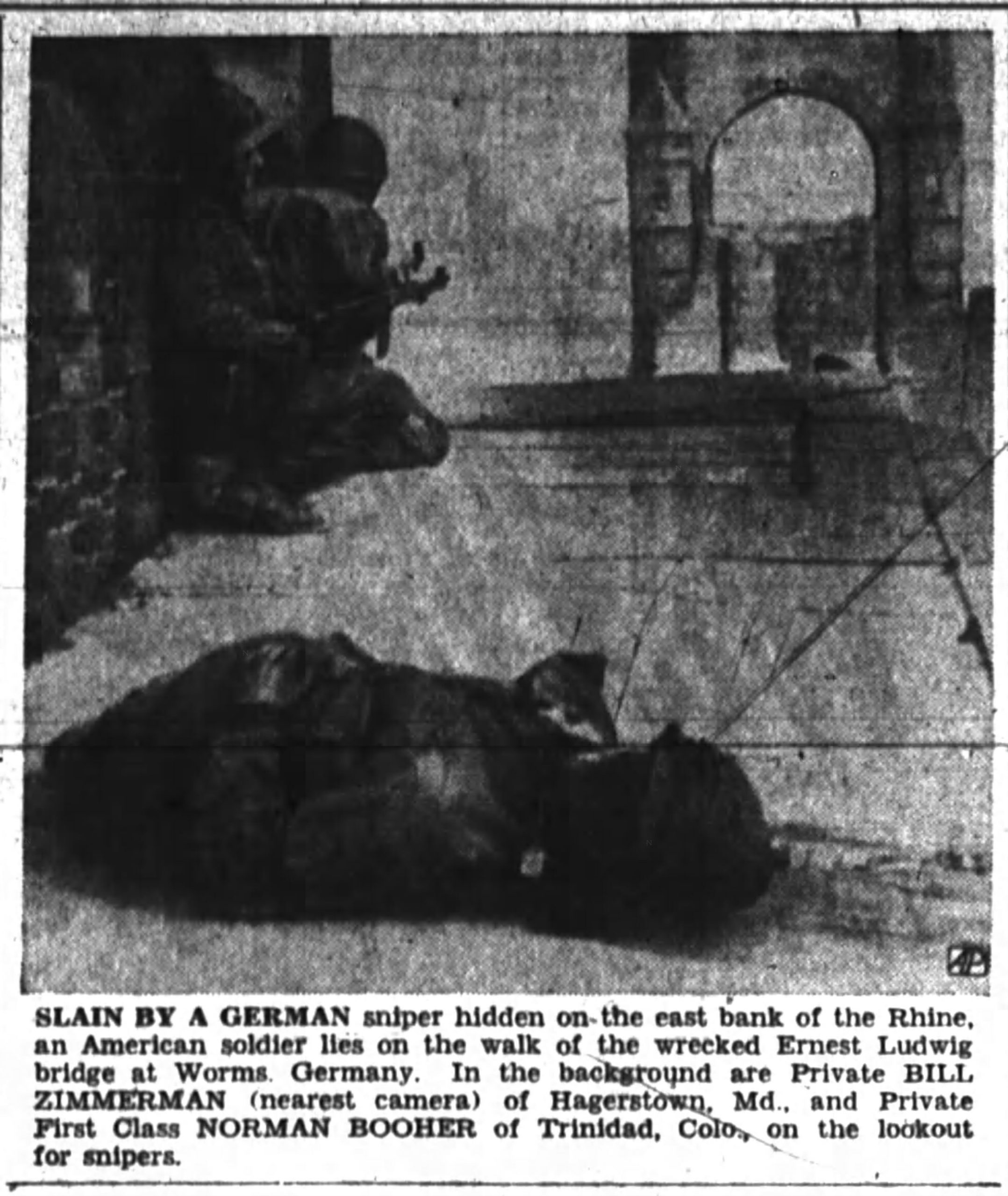
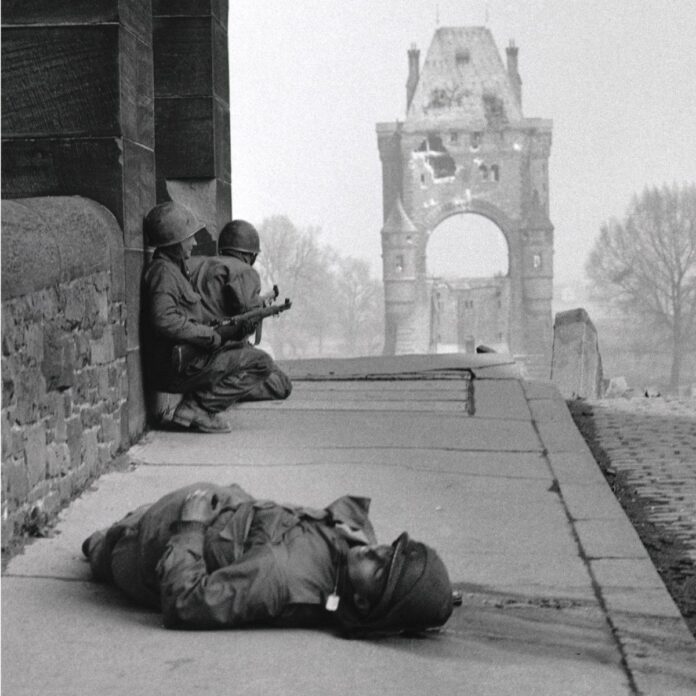
The featured photograph in this article is an Associated Press image that was widely circulated in United States newspapers in 1945, showing a fallen World War II soldier on the Ernst Ludwig Bridge, now known as the Nibelungen Bridge, in Worms, Germany. A U.S. Army Signal Corps photograph, presented later in the article, documents the scene shortly after the event.
Although the military knew the serviceman’s identity and had notified his family of his death, his name did not appear in the caption of the widely published AP photograph, leaving him unidentified in the image itself.
Through recent research, it has been determined that Private First Class (PFC) Charles Theodore Plog of Poughkeepsie, New York, is the soldier in the photograph.
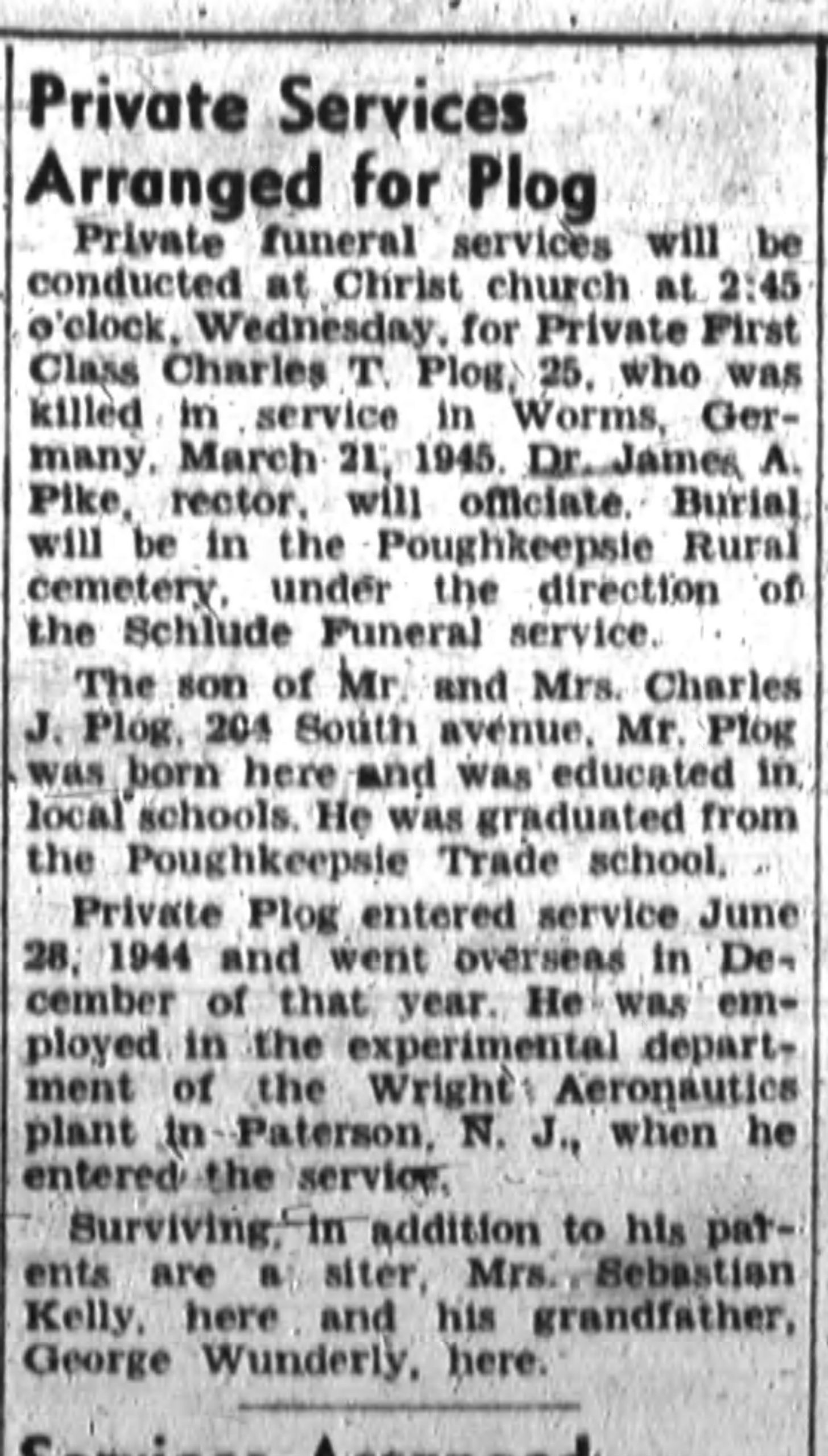
Apparently, not even Plog’s hometown newspaper realized it was one of the city’s residents in the foreground of the photograph (Poughkeepsie Journal, April 4, 1945, page 4).
Two Photographs: Different Days
Sensitive Content: Historical Notice – The following photographs show a U.S. soldier from World War II who lost his life in combat. Viewer discretion is advised. This section aims to honor the soldier, identify him within the photographs, and document history for educational and commemorative purposes. The photographs are presented for historical documentation and remembrance, with the intent of honoring service rather than depicting loss.
Two photographs were taken of PFC Plog on the Nibelungen Bridge near the western tower. It is believed the two photographs were taken on different days.
First Photograph, March 21, 1945
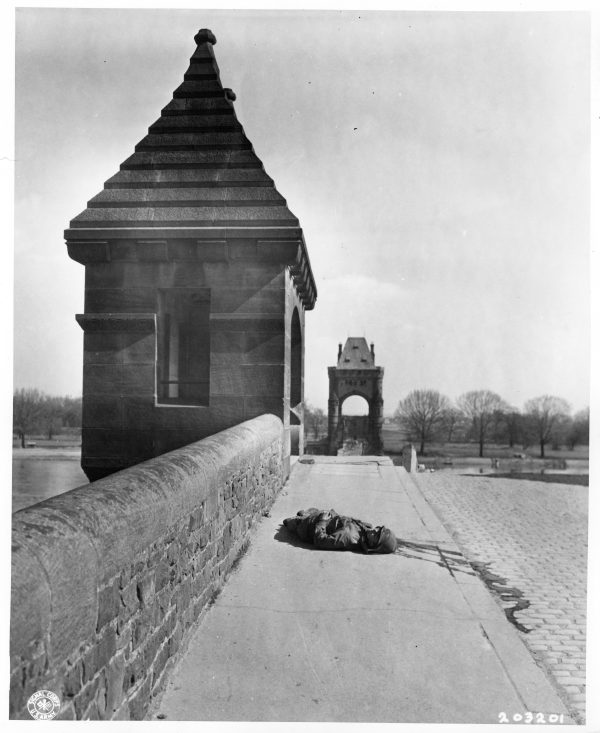
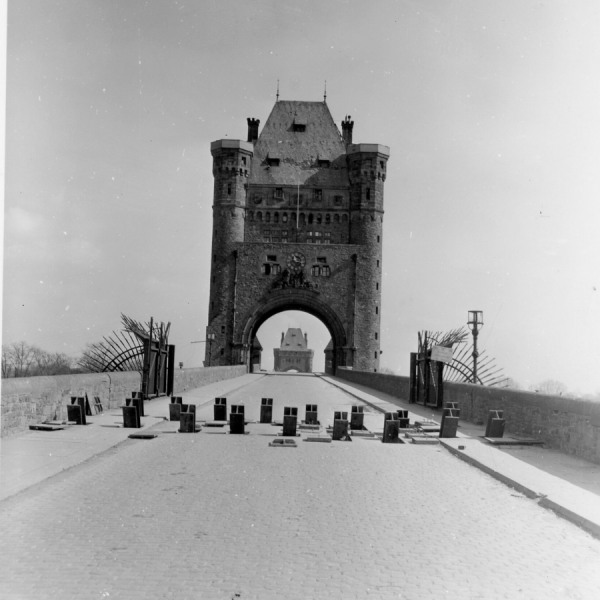
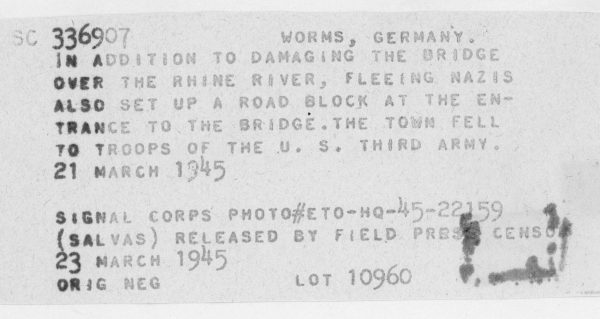
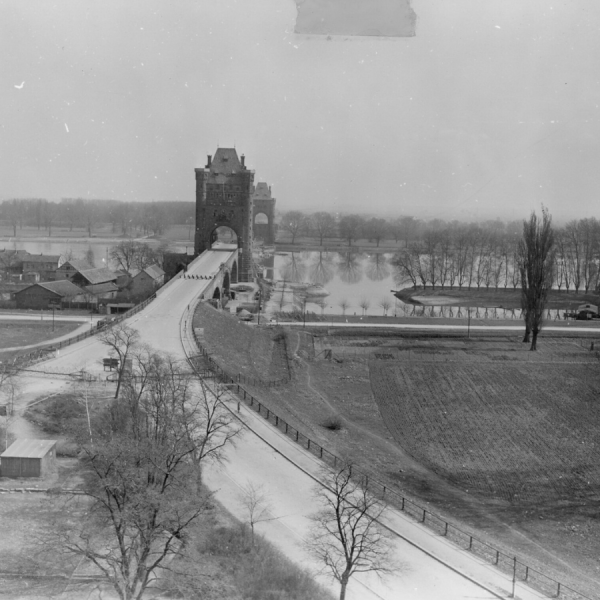
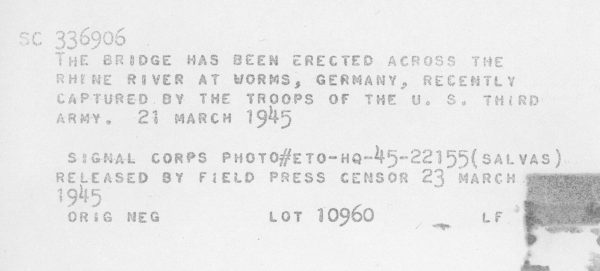
The first photograph, taken on March 21, 1945, by Lieutenant A. J. Salvas of the United States Army Signal Corps, documents the scene on the west side of the Nibelungen Bridge in Worms, Germany, shortly after the death of PFC Charles Theodore Plog during the U.S. advance into Germany.
The image shows the fallen soldier with the eastern tower of the bridge undamaged, indicating it was made soon after Plog’s death. This photograph formed part of the Army’s official wartime record but was not widely published at the time.
The Signal Corps, a branch of the U.S. Army responsible for military communications and information systems, created such images to document combat operations and conditions in the field.
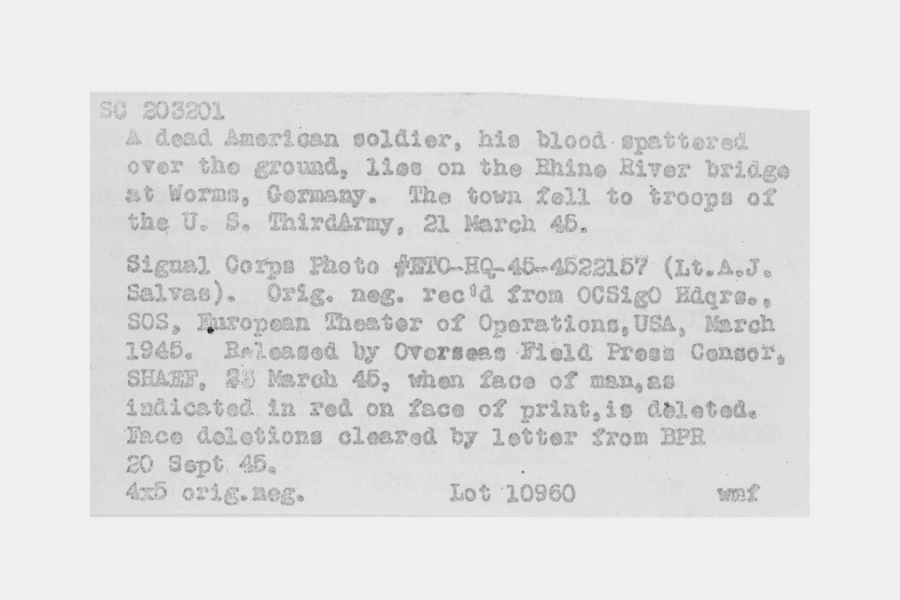
The Second Photograph, circa March 26, 1945
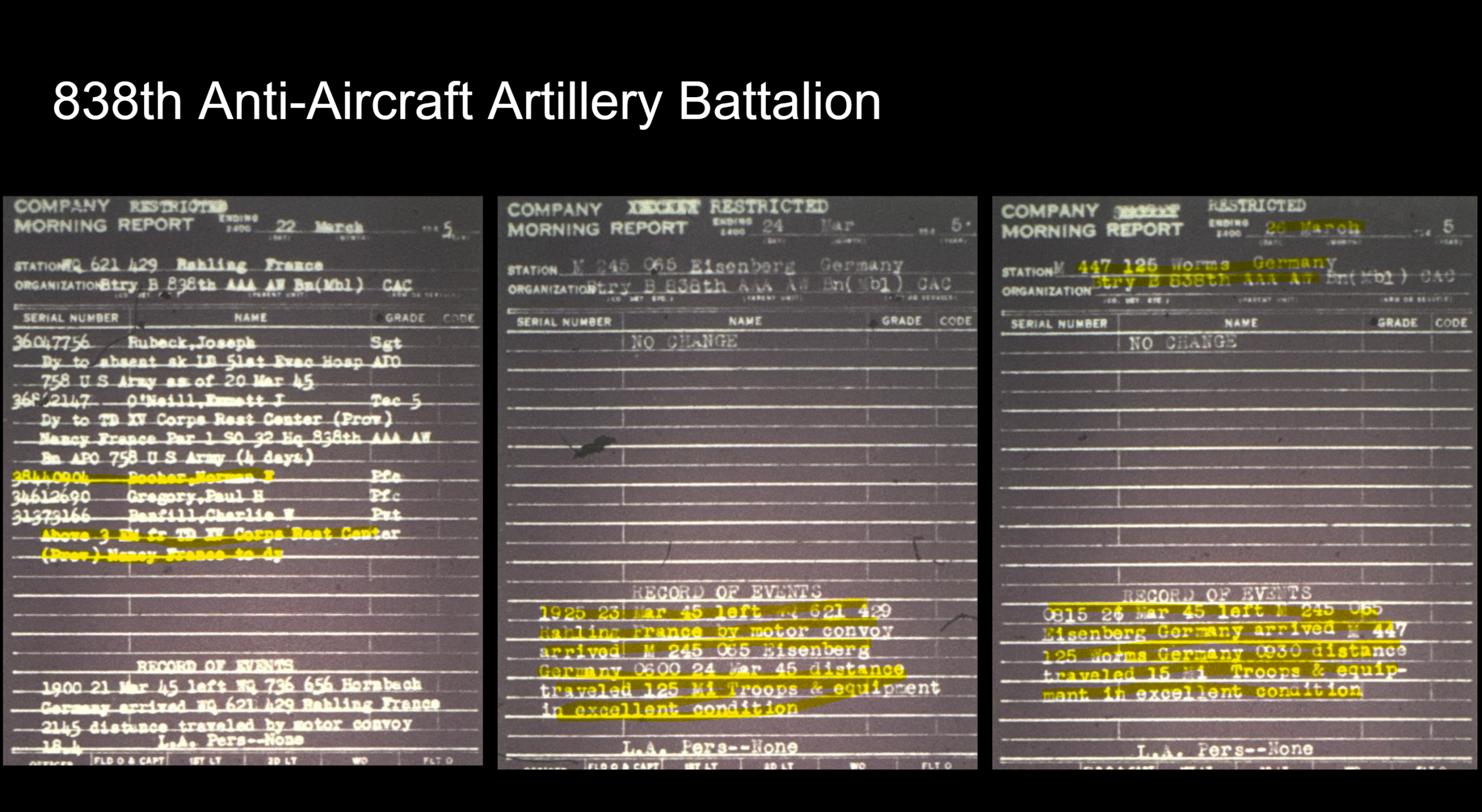
A second photograph, (the featured photo at the beginning of this article) widely published in American newspapers, was taken circa March 26, 1945, by Associated Press photographer James Pringle. It shows the same location as the March 21 photograph, with PFC Plog in the foreground and two soldiers, PFC Billy Zimmerman of Hagerstown, Maryland, and PFC Norman Booher of Trinidad, Colorado, both from Battery B, 838th Anti-Aircraft Artillery Battalion, taking cover near the west tower by the guardhouse. The photo also shows damage to the eastern bridge tower, suggesting it was taken several days after Plog’s death.
According to Morning Reports, the 838th AAA Battalion did not arrive in Worms until March 26, 1945, which supports the conclusion that the photograph was taken on or shortly after that date.
Searching for the Soldier’s Identity
According to Carlo Riva, a city council member in Worms, the earliest known published interest in the soldier’s identity appeared in a 1985 article in the Wormser Zeitung. That report prompted Riva to begin searching for the soldier’s identity.
In later years, the City of Worms honored soldiers and the families of those who occupied the city following the defeat of German forces during World War II. For a ceremony planned for March 2020, Riva continued to seek the soldier’s identity so that the soldier’s family could be contacted and invited to participate. The ceremony did not take place due to the COVID-19 pandemic; however, Riva continued his efforts.
To assist with the search, Riva, who worked for the Directorate IMCOM Europe and previously for the 293rd BSB Directorate of Engineering and Housing in the Resource Management Office as a Budget Analyst, enlisted the help of two Americans in January 2020. One was William Borneman of Colorado, a former U.S. Army officer previously stationed in Worms, whose wife is from the city. The other was Karen Lagrange Cox (author of this article) of Broussard, Louisiana, who once lived in Worms as an Army dependent. The three were already connected through a Facebook military group focused on Worms. Other individuals also contributed to the research.
In 2020, Riva emailed Cox and Borneman the names and information of soldiers who were Killed in Action (KIA) in or around Worms during the latter part of March 1945. Each soldier was carefully researched, and all were eventually ruled out as the serviceman in the photograph.
Despite continued efforts after the planned 2020 ceremony, identifying the soldier remained difficult without a name to guide the search. Borneman later said:
“With all known leads covered, at least by Riva and Cox, this endeavor must be considered ‘pending inactive’ for now. Who knows, someone somewhere might come up with something. Stranger things have happened.”
And indeed, something eventually did happen.
Stranger Things Did Happen
In October 2025, an international effort began to uncover the identity of the soldier depicted on the bridge. Historian Joey van Meesen of Footsteps® Researchers and SNAFU DOCS (Netherlands) came across the 1945 photograph taken by Pringle and emailed the Worms newspaper, Wormser Zeitung.
The newspaper forwarded the inquiry to Riva in Germany, who then shared it with Borneman and Cox in the United States. This collaboration spanning Germany, the Netherlands, and the United States brought together local knowledge, archival research, and military records to solve a decades-old mystery.
Shortly after receiving the forwarded email, Cox searched newspapers.com and located two previously published photographs of Plog. When compared with a close-up of the soldier on the bridge, the resemblance was striking. Cox briefly showed the images to her husband, Larry, who immediately remarked that the two photographs appeared to show the same man.
Building on the international collaboration, van Meesen took the lead in the renewed research effort. In an email, he noted there was a strong possibility that Plog was the soldier in the photograph, although some details still required verification. At that time, his U.S.-based research team could not access military records at the National Archives due to a government shutdown.
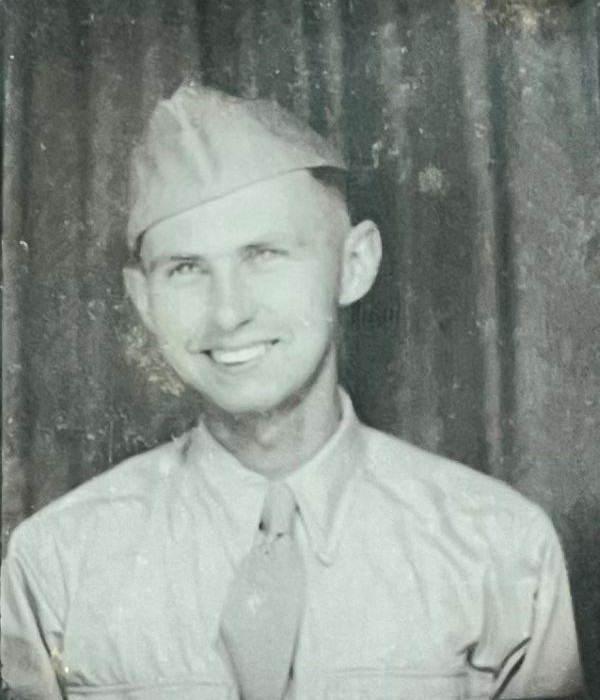
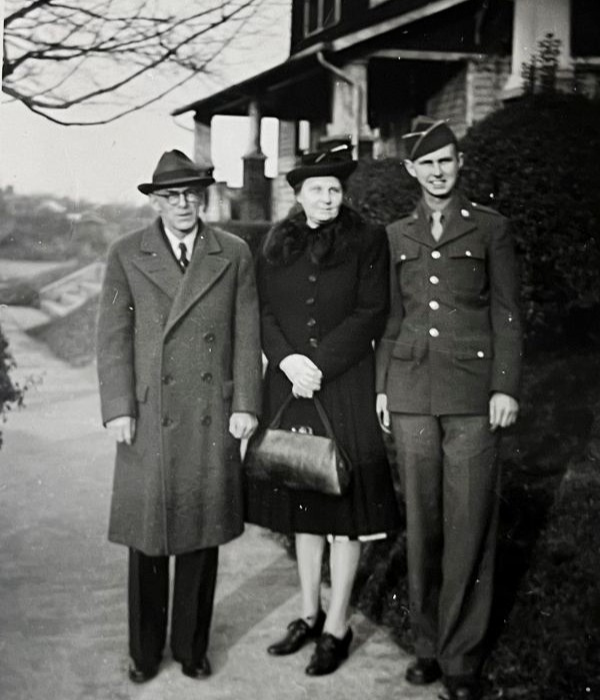
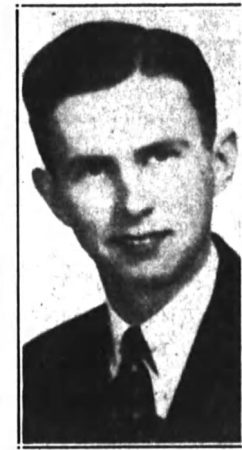
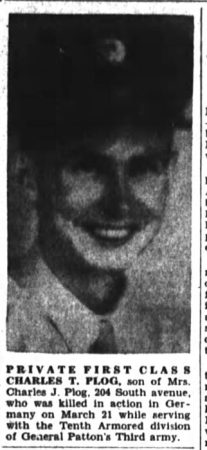
Left to right: First photo: PFC Charles Theodore Plog, courtesy of the Plog Family; Second photo: Charles John Plog, Catherine Wunderly Plog, and PFC Plog, courtesy of The Plog Family; Third photo: PFC Plog, Poughkeepsie Journal, December 14, 1942, page 10; Fourth photo: PFC Plog, Poughkeepsie Journal, May 14, 1945, page 14.
Research
Video: The Research Behind the Identification of PFC Charles Theodore Plog
Historical Documentation: This documentary presents the research process used to confirm the identity of PFC Charles Theodore Plog in the March 1945 Nibelungen Bridge photograph.
Documentary produced by: Joey van Meesen, SNAFU DOCS
Research organization: Footsteps® Researchers
Identification credited to: Joey van Meesen (The Netherlands)
Research Findings
Records obtained from the U.S. National Archives allowed van Meesen and his team to conclusively establish Plog’s identity. Based on the research conducted and records obtained by van Meesen, the following information is currently known:
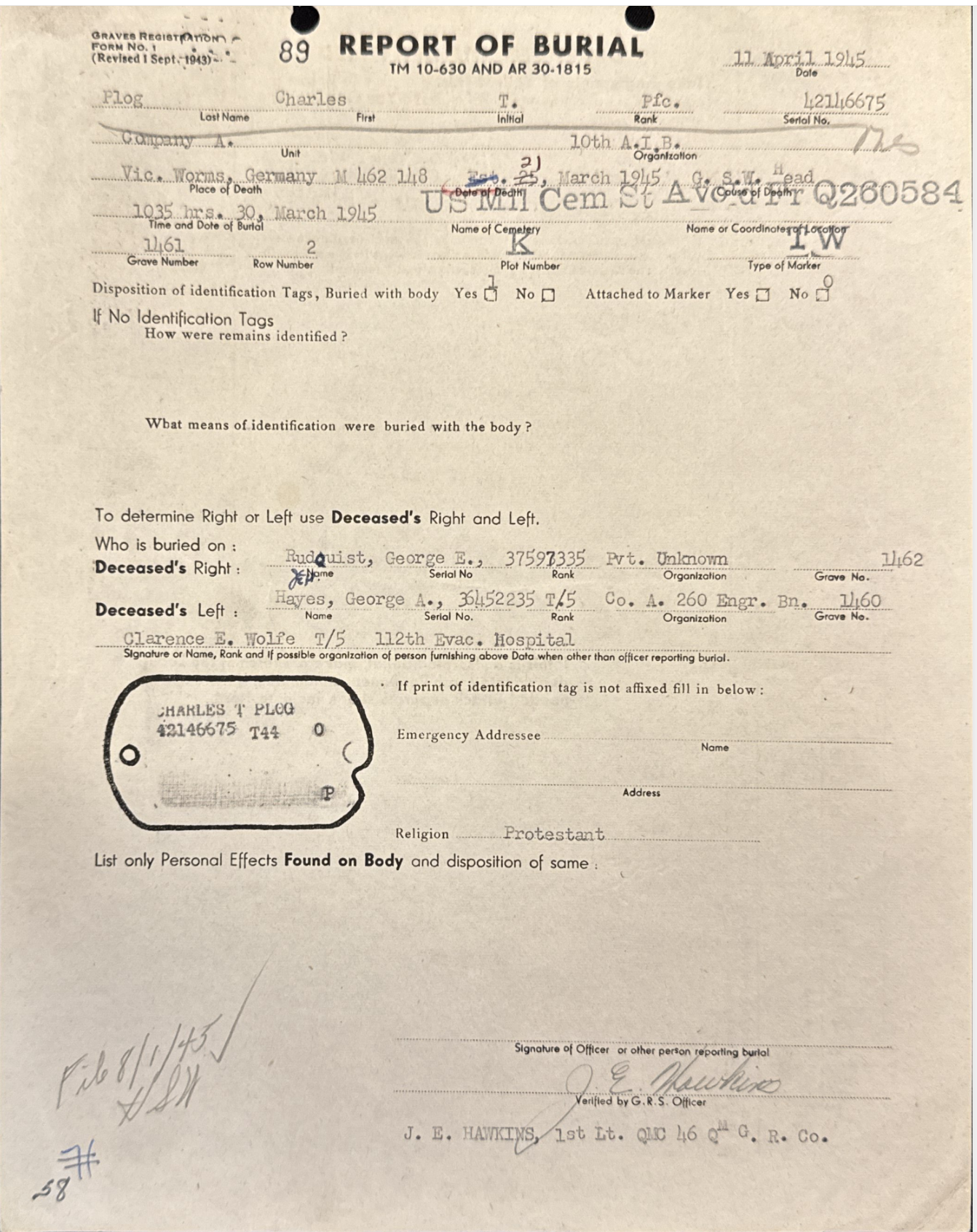
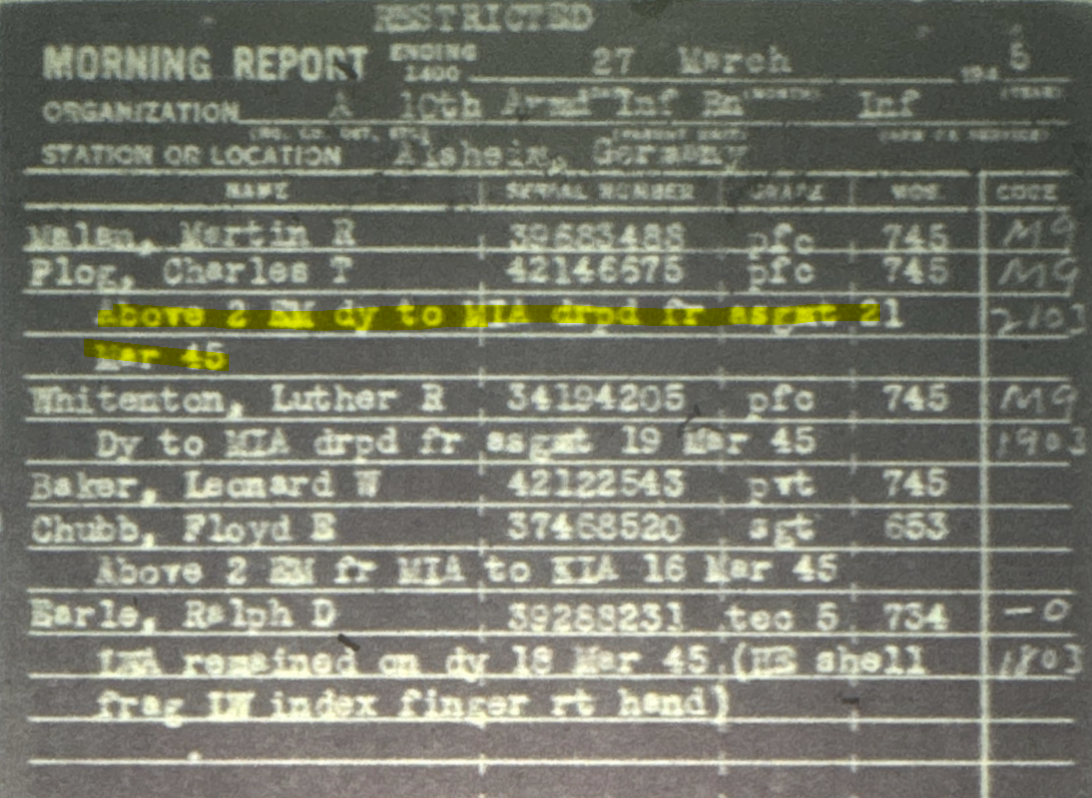
The identity of PFC Charles Theodore Plog was confirmed through a review of U.S. Army records, burial documentation, unit morning reports, and historical photographic evidence. These records place Plog at the Nibelungen Bridge in Worms, Germany, on March 21, 1945—the date he was reported killed in action. When compared with the location, timing, and details visible in the historical photographs, the evidence supports the conclusion that Plog is the serviceman depicted in the image.
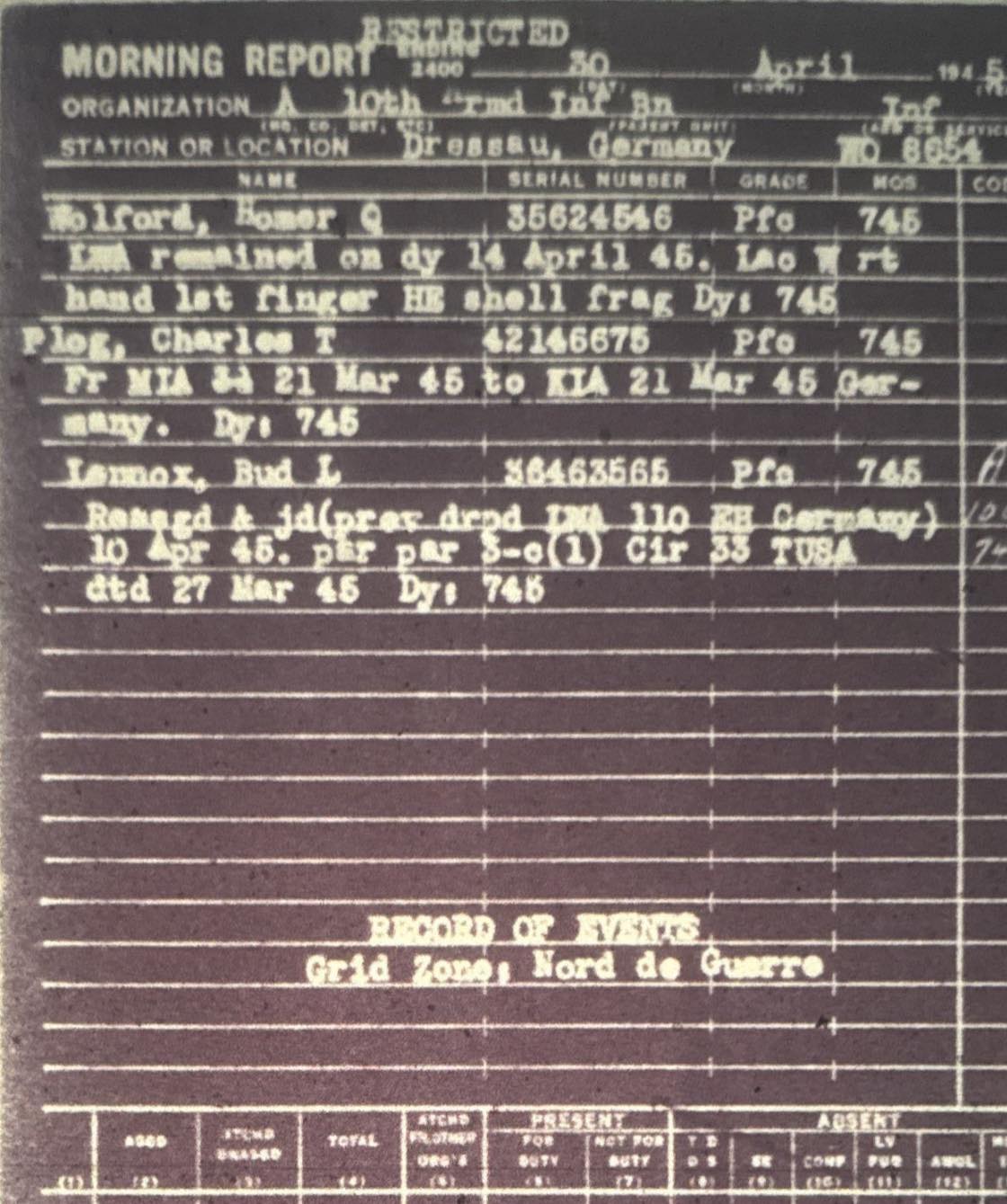
Military records initially listed PFC Plog as Missing in Action (MIA) on March 27, 1945; his status was later corrected to KIA on his company’s Morning Report of April 30, 1945, following confirmation of his death. The delay likely resulted from his unit’s reassignment north of Worms, which prevented immediate knowledge of his loss on March 21, 1945.
In December 1944, he was a replacement in the Battle of the Bulge in Belgium, before advancing to Worms in March 1945. He served in the 4th Armored Division, 10th Armored Infantry Battalion, Company A, under General George S. Patton’s Third Army. They played a leading role in the rapid Allied advance across France and into Germany during the final months of the war.
The photograph taken by Salvas on March 21, 1945 helped van Meesen confirm Plog’s identity, showing him as the only soldier killed on the Nibelungen Bridge between March 20 and March 21, 1945.
Plog’s military burial records indicate he died from a fatal combat wound at the military map coordinates of M 462 148. The burial record shows that he was initially laid to rest on March 30, 1945, at Lorraine American Cemetery outside Saint-Avold, Moselle, France.
In January 1949, he was reinterred at Poughkeepsie Rural Cemetery in Poughkeepsie, where his parents are also buried, as seen on his headstone.
Explaining the Photo Timeline
With Plog’s identity established, attention turned to another long-standing question: why do two photographs, taken days apart, appear to show his body in the same location on the Nibelungen Bridge?
The gap between the first photograph, taken on March 21, 1945, and the second, circa March 26, 1945, can be attributed to several factors, including the hazards of the battlefield. German snipers were reported to be on the east side of the bridge; there may have been delays in recovery procedures, and the timing of photographic documentation also played a role. These factors help explain how his body remained in the same general location for several days.
Visit to Worms
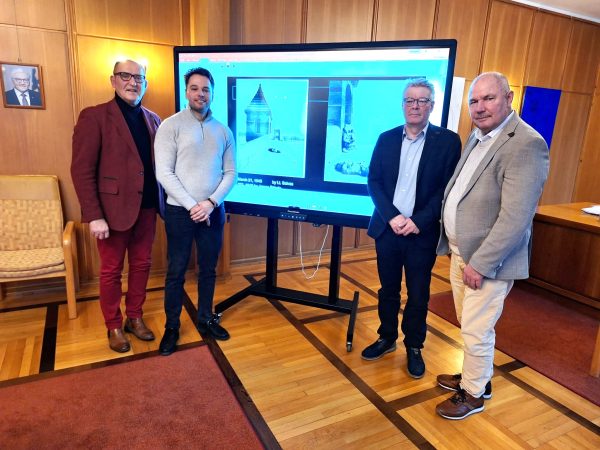
In February 2026, van Meesen traveled to Worms to prepare a video about the research on the soldier depicted in the photographs by Salvas and Pringle.
He met with Riva, historian Dr. Gerold Bönnen, Lord Mayor Adolf Kessel, and staff from the Wormser Zeitung to present his findings regarding the photographs taken by Pringle and Salvas.
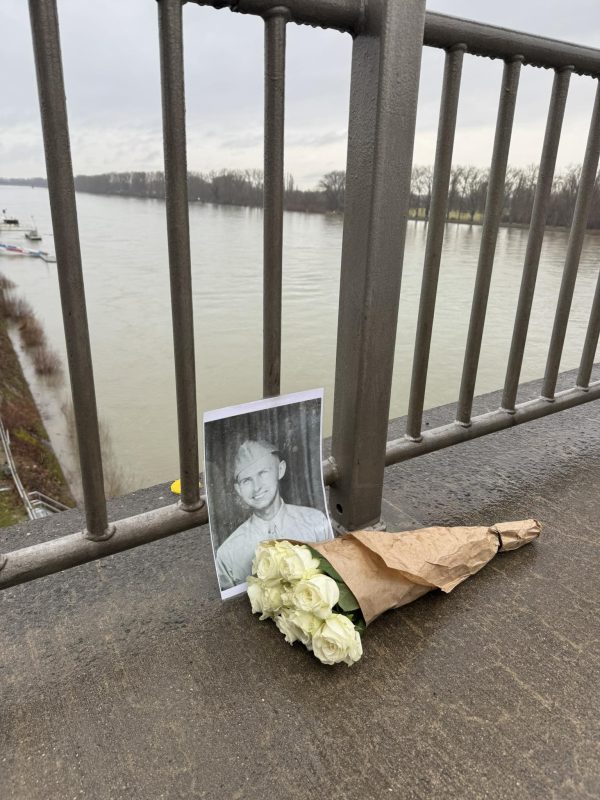
Van Meesen brought a photograph of PFC Plog and placed it on the bridge alongside roses, near the spot where Plog lost his life.
About Plog
Plog was born on May 21, 1919, in Poughkeepsie.
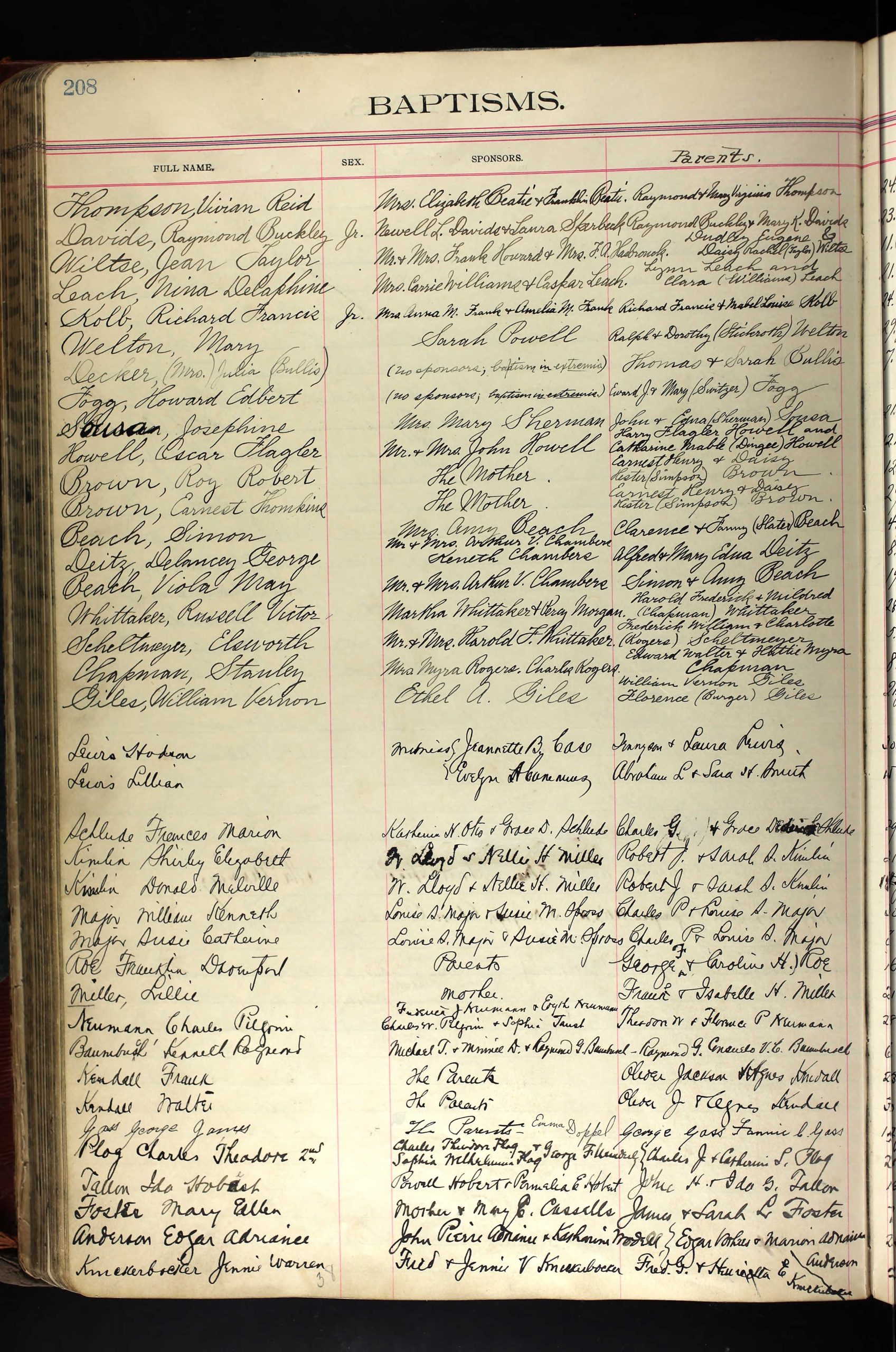
He was baptized at Christ Episcopal Church on September 21, 1919.
He was 25 years old at the time of his death.
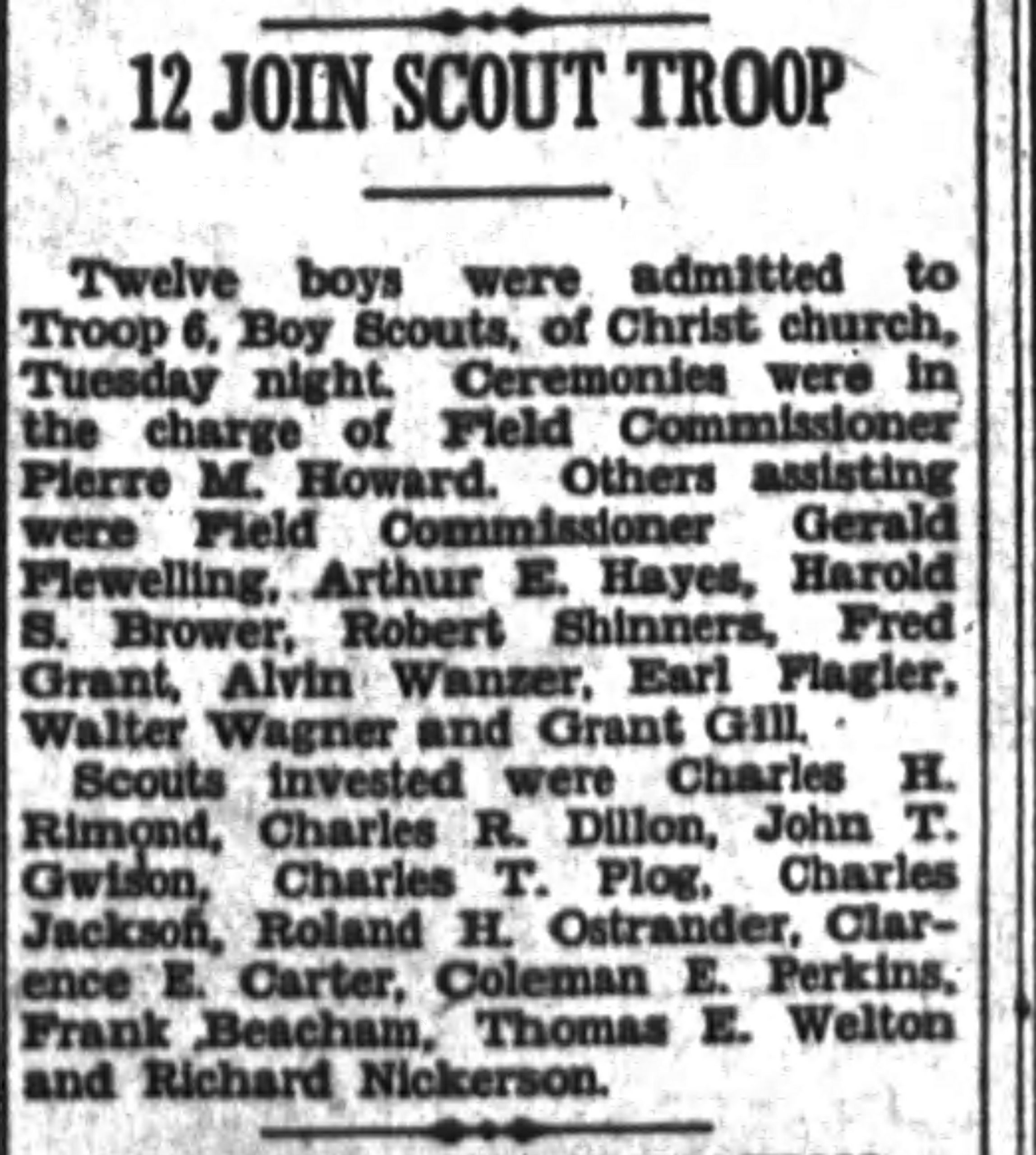
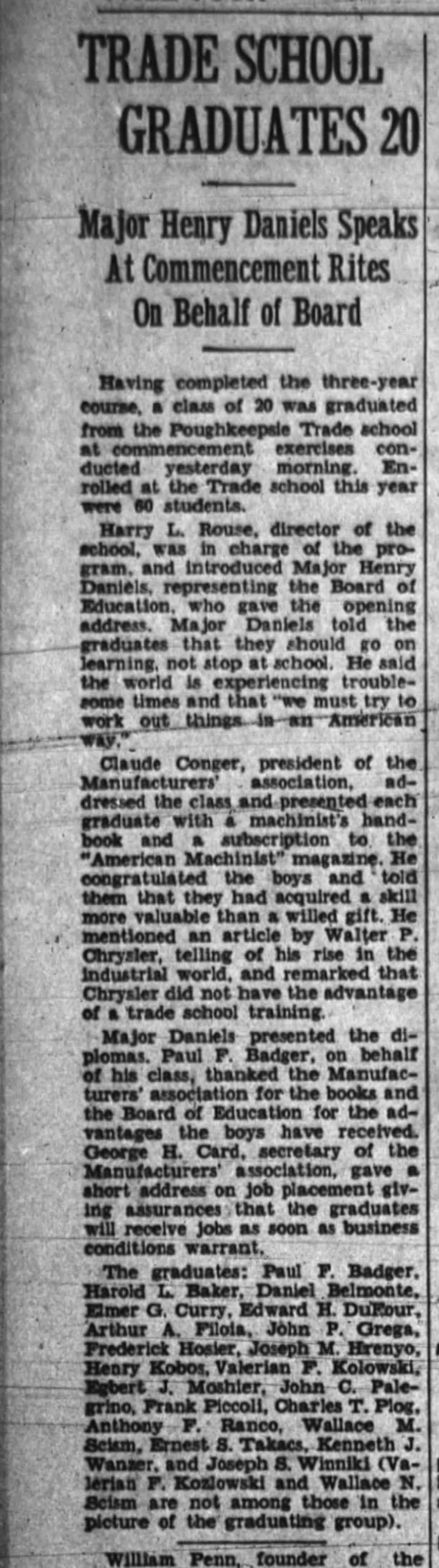
The Poughkeepsie Eagle News, February 11, 1932, page 3, shows Plog was admitted as a scout to Boy Scouts Troop 6 of Christ Church. He graduated from Poughkeepsie Trade School according to the Poughkeepsie Eagle News, June 30, 1938, page 4.
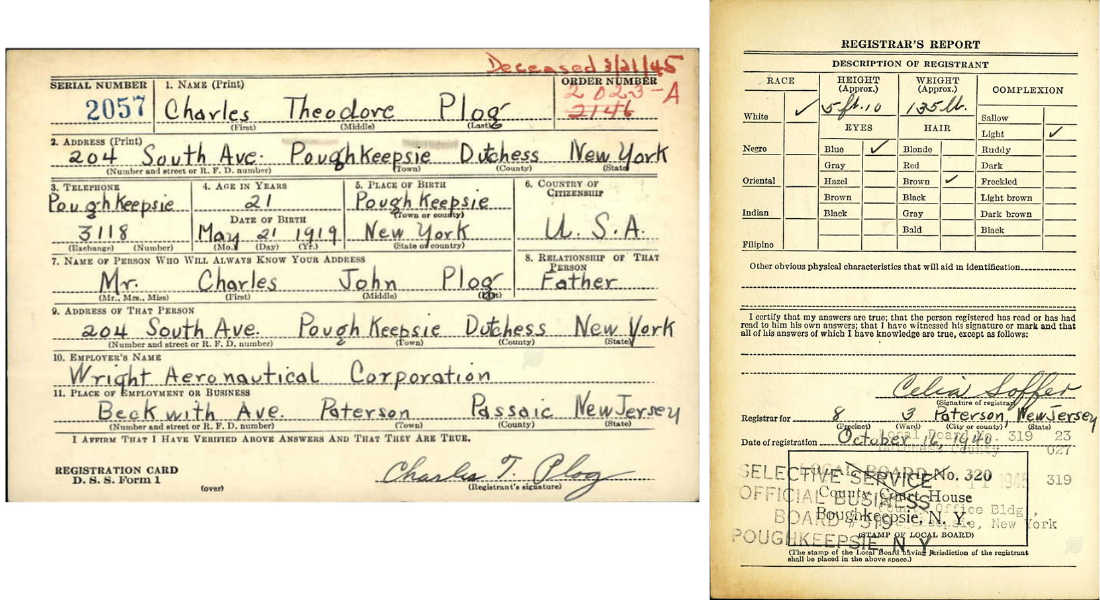
PFC Plog registered for the military on October 16, 1940, according to his Military Registration Card. The card shows he was white, 5 feet 10 inches tall, 135 pounds, with blue eyes, brown hair, and a light complexion.
Prior to enlisting in the Army on June 28, 1944, at Fort Dix, New Jersey, Plog worked for Wright Aeronautics in Paterson, New Jersey. He trained at Camp Blanding, Florida.
City directories show Plog lived at 204 South Avenue in Poughkeepsie.
He was survived by his parents, Charles John Plog and Catherine Wunderly Plog, one sibling, Catherine Plog (Kelly), and his maternal grandfather George Wunderly.
For his sacrifice, Plog was posthumously awarded the Purple Heart.
Meaning and Legacy
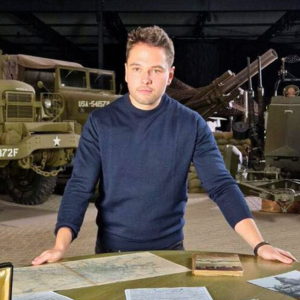
When van Meesen was asked, “How does giving a name and recognition to a WWII soldier, whose identity from an old photograph remained unknown for decades, serve to honor their sacrifice and restore their place in history?,” his response was:
“Giving someone his name back makes him more human again. By knowing his name and his story we can familiarize ourselves with that person.“
“For me he now becomes a young individual who was engaged, had some sort of future in mind, but was called to serve for his country.“
“And by doing that we understand what he had to give up by paying the ultimate price so that we can live in freedom today.“
“And this would have not been possible if those pictures were not made. By identifying him, the story of the photo and the story of the individual come together.“
Though decades passed before his name was known, Private First Class Charles Theodore Plog now stands forever recognized, not just in a photograph, but in history, memory, and the hearts of those who honor his sacrifice.
From the Research Collaborators
The identity of Plog was ultimately confirmed by historian van Meesen, whose tireless work in uncovering key leads brought the story to light. This identification represents the combined efforts of international researchers, archivists, and historians. The Plog family was informed of the findings and shown the photographs, which they had not previously seen. The reflections below come from those who researched the case and helped restore Plog’s place in history.
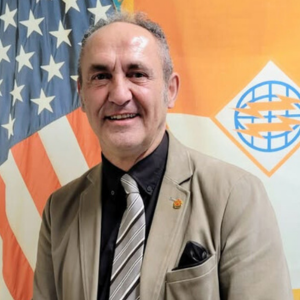
“Over 40 years after the publication of the photo of the three US soldiers on the Worms Rhine bridge, I am moved and anxious to identify and honor them and to thank their families, because they risked their lives to liberate us from the fascist regime.”
Carlo Riva, City Council Member City of Worms, Germany, and former longtime employee with the United States Army in Germany
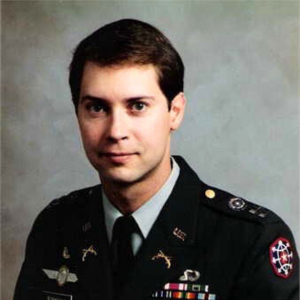
“The identification of Charles Theodore Plog as being the unknown soldier of the Rhine Bridge in Worms comes with great relief and satisfaction for several reasons, to include my links to the city and service in the U.S. Army.”
Captain, Military Police, William Borneman

“At long last, the soldier lying on the Nibelungen Bridge over the Rhine in Worms, Germany, from March 1945, has been identified. I can finally call him by name, PFC Charles Theodore Plog, while honoring his service.”
Karen Lagrange Cox of BY Local News Media LLC
Nibelungen Bridge Photos
World War II Statistics
World War II was a global conflict of unimaginable scale. According to The National WWII Museum, the United States suffered 416,800 military deaths, with a total of 418,500 combined military and civilian deaths. By comparison, Germany experienced 5,533,000 military deaths, with combined military and civilian deaths ranging from 6.6 to 8.8 million people. For additional statistics, visit the museum’s website.
The identification of PFC Plog ensures that future generations viewing these historic photographs will know not only the moment captured, but the man who stood within it.
In Memory
This article is dedicated to the memory of PFC Charles Theodore Plog and to all soldiers who gave their all.
Plog’s family was informed prior to the publication of this article.
A sincere thank you to the Plog Family for providing pictures of Plog used with this article.
Earlier Research
The following article, written in 2023, outlines the early research conducted in the effort to identify the soldier, who has now been confirmed as Plog:
Remembering Smith and Other Fallen Soldiers
© 2026 BY Local News Media LLC. All rights reserved.
This article contains original historical research and reporting. It may be referenced, quoted in part, or summarized provided that proper credit is given to the author, Karen Lagrange Cox, and BY Local News Media LLC, along with a link to the original article:
“WWII Soldier in Nibelungen Bridge Photographs Identified After Eight Decades”
https://www.bylocalnews.com/special/wwii-soldier-in-nibelungen-bridge-photographs-identified
Out of respect for the historical significance of this story and the individuals involved, full reproduction or republication is not permitted without prior written consent.