

Editorial
Balancing financial reality, family responsibility, and the need for accountability in publicly supported care
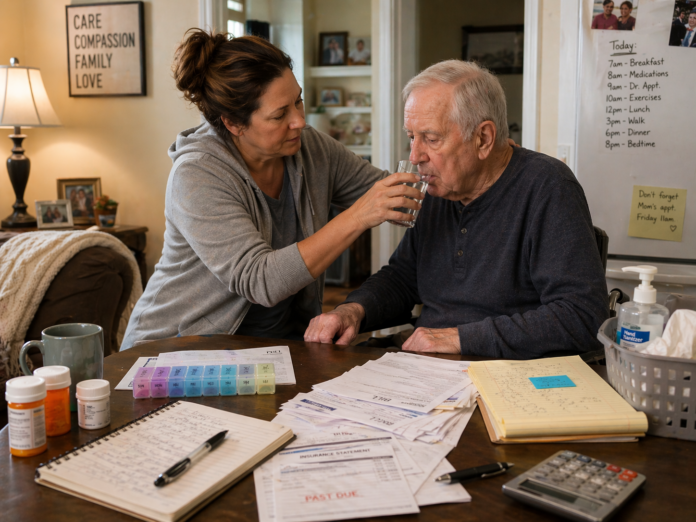
In homes across the country, care is already being given. Adult children help aging parents dress, eat, and manage medications. Parents of children with developmental disabilities may have to reduce their work hours or leave employment entirely to meet their child’s needs. Spouses support partners through mental illness. In many cases, this work is unpaid.
The question is not whether caregiving exists. The question is whether it should be recognized and compensated.
One of the broader concerns is that unpaid caregiving can result in a loss of income, placing caregivers and their families under significant financial strain. The work is real and demanding, often requiring constant attention, medical coordination, and physical assistance. Many caregivers must reduce their work hours or leave employment entirely, leading to a loss of wages and, in some cases, employer-sponsored health insurance.
That financial impact can extend beyond the household. In many cases, the loss of income can push individuals or families into eligibility for programs such as Medicaid, food assistance, or other forms of public support.
At first glance, this raises a concern. Would paying family caregivers expand public assistance rolls?
The answer is more complex. Caregiving without compensation can already lead to increased reliance on assistance programs because families lose income while taking on additional expenses. In that sense, the shift toward public support is often happening regardless.
At the same time, there is a broader economic reality. Care provided at home, whether through formal home and community based services or by family members outside any program, can reduce reliance on nursing homes and long term care facilities, which are often funded through Medicaid and come at a significantly higher cost. Supporting a family caregiver, even with direct payment through structured programs, can be less expensive than institutional care.
This creates a clear policy trade off. Without compensation, caregivers may fall into financial hardship and still require public assistance. With compensation, there is an upfront cost, but it may prevent more expensive outcomes later.
Still, concerns remain. Payment can introduce tension within families, especially when responsibilities are uneven or unclear. There is also the risk of financial exploitation if safeguards are not in place. Unlike professional caregivers, family members may not have formal training, raising questions about consistency and quality of care.
For that reason, any system that allows family caregivers to be paid through Medicaid or other government assistance must include clear guidelines and structure. Accountability for payments and proper care must be in place to ensure public funds are used responsibly and that individuals receiving care are protected.
Those safeguards should include defined eligibility standards based on medical or functional need, verified by qualified professionals. Care plans should outline specific duties, hours, and expected outcomes. Basic training requirements should be established to ensure caregivers understand essential responsibilities and safety practices. Time tracking and documentation should be required to verify services provided.
Oversight must also be consistent. Regular reviews or home visits by case managers can help ensure that care is being delivered appropriately. Payment controls, including limits on hours and rates, can help prevent overbilling. Transparency within families can reduce disputes, and additional safeguards should be considered in situations where financial control and caregiving roles overlap.
At its core, the debate raises a deeper question. Is caring for a loved one a duty that should remain separate from financial compensation, or is it labor that deserves recognition and support?
A balanced approach offers a path forward. Compensation can be provided through structured programs that include oversight, training, and accountability. This protects vulnerable individuals while acknowledging the realities caregivers face. Support services, such as respite care, can also help prevent burnout and improve outcomes for both caregivers and those receiving care.
The reality is that families are already carrying much of the responsibility for long term care. Recognizing that effort through thoughtful, well regulated compensation does not diminish the role of care within a family. It strengthens it by ensuring caregivers have the support they need to continue.
In the end, the issue is not about putting a price on family. It is about recognizing the value of care that is already being given every day, often at great personal cost, while ensuring accountability and responsible use of public resources.
